Full Frame Cameras in 2018. What to choose...
A quick overview of new full frame cameras.
Wow. That's all I can say. What a time we are living in for options regarding digital acquisition for cinematography. It seems like not that long ago the Canon 5d Mark 2 was introduced and people everywhere began shooting ultra shallow full frame footage cluttering up the youtubes. The sacrifice there though was basically everything. Bad low light, terrible codec, horrible line skipping, terrible frame rates, low resolution, the list goes on. Like on for a really long time. Lets chat about what a difference a few years makes in terms of camera technology. Here are some cams that are finally coming out...
RED MONSTRO/VV Dragon 8k/Millenium XL2
Well here we are several years later and camera technology has grown by leaps and bounds. We have all sorts of options for full frame cameras now, but which to choose and which to shoot on? I have my choice and I'll get to that later. But first, lets chat about what our options are currently. First off we have the new RED Monstro 8k sensor as well as the RED VV Dragon sensor. Both shoot 8k but come from slightly different backgrounds in terms of color reproduction. If you have a VV dragon cam, you may be one of the few lucky ones. Feel these unicorns are going to be very rare. Now on paper, the Monstro beats everything around it hands down. It has framerates, it has resolution, it has the FOV, interchangeable mounts, claimed 16.5+ stops of dynamic range, its tiny media is relatively cheap compared to its competitors using the CODEX recorders, it shoots r3d codec in true RAW. But the price..... oh the price. Once you factor in mounts, displays, media, cages, modules etc, you'll be pushing 100k. The harder part to swallow is that there isn't too much of a demand for RED cameras in the market place since other cams are starting to close the gap on similar tech and several DP's are split on how the feel on the helium sensor vs dragon. I will say though that even Panavision is after RED's chili because they have been partnering with RED and adopting all of their tech and integration into their new Panavision Millenium DXL2 model, a digital flagship for the company. That being said, several large movies that are heavy in the CGI department are gravitating towards the higher res cams. After shooting RED for so many years, I have a soft spot for what they have done to this industry and their progressive attitude towards furthering camera tech, so I will keep pushing when I can to try out all of their new gear.


SONY VENICE
The new Sony Venice is a very intriguing option coming in at 42,000 dollars retail. Plus you'll need an additional 8,000 dollar recorder as well as media and other bits. I'd guess you'd be in roughly 60k all said and done. Now this camera to me is very interesting, because if it's anything like the f65 it'll be a pretty rad little camera. Oh yea, its also fairly little compared to its older sibling the f65. This fella weighs in at about 8.5lbs naked, which isn't too bad at all. Now I'm no fan of the dreaded Sony look, which is why NWCC doesn't own any Sony cams other than DSLR's, but there was something special about the f65 that the other cameras didn't have. And I hope that's the case again with the venice. It'll do 6k/5k/4k as well as other various formats. But you'll need the help of additional software, recorders and other such witchcraft to get all the perks this camera has to offer. Speaking of perks, I'm hearing that this camera may have the most dynamic range of any camera tested to date, which means in the 16 or so range. Pretty impressive. The body is solidly constructed and I believe it should be a reliable workhorse in the industry if they've worked out all the bugs. Now the sensor... it has a true 36mmx24mm sensor and you can switch it to down-sample to 5k/4k/super 35 mode/anamorphic modes etc which is nice that its not cropping to achieve this as well. I'm eagerly waiting to get my hands on one to test a bunch of different lenses we have here at NWCC.

ARRI LF
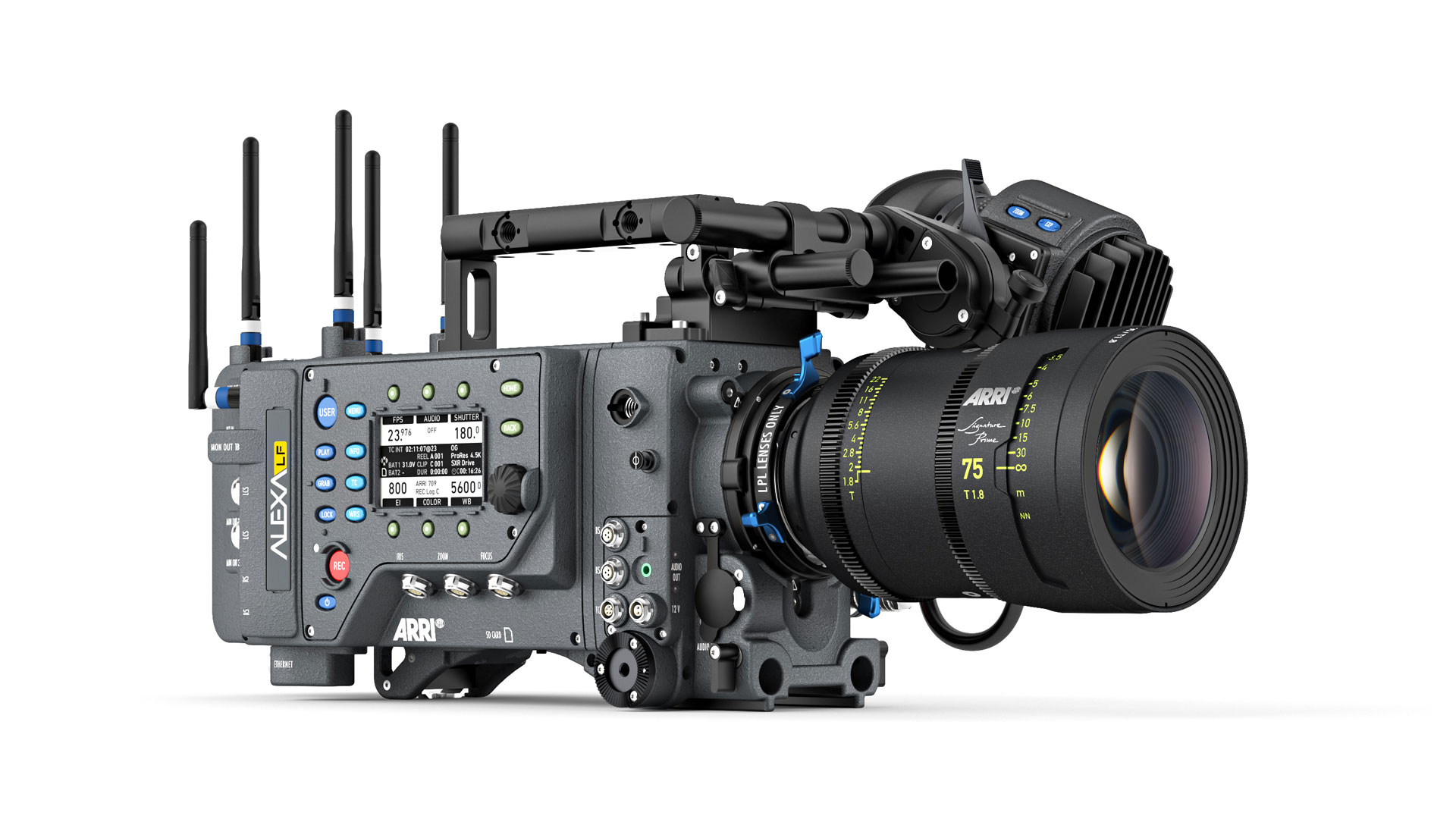
Ok we all knew that Arri was going to take a shot sooner or later making something that fit between their regular Alexa line and the Alexa 65, and they have finally done it. The new Arri LF features two vertically stacked Alev-iii sensors. The same sensor that has already won the world over with its amazing color and filmic grain structure and highlight retention. The downside of the single Alev sensor has been resolution. While some claim resolution doesn't matter, there are an equal amount of people who claim it does. Netflix and other streaming services being some of them. So Arri has answered with their new beast of a camera. Larger than full frame, it comes featured with a new set of lenses to cover the larger sensor, as well as a new mount, the LPL mount. This mount also down-converts via adapters so you can fit your regular PL lenses on if need be. Now this camera will shoot in 4.5k in a variety of options. You can do open gate, 16:9, 2.39:1 and more shooting in ARRIRAW or prores flavors to its very very expensive media. Expect this camera in a full setup to run in the 115k and up range. And while the price tag is huge, so is the damn camera. 17.2 lbs naked. Drink your protein shakes before set. No running this cam on gimbal without extreme stress to the gimbal or your body. But if you are after that full frame aesthetic, this camera can and will accomplish your needs. I've watched several videos streaming on my 4k t.v. and the one that keeps taking my breath away is the one below. Its sharpness and color blows my mind every time I see it. Though I was less blown away with the other material that was released by Arri with the camera at launch. I will say that I am very excited for Arri and what their future holds. (I'm hoping it holds a 6k super 35 camera personally.)
Canon C700 FF
I really don't even know what to write about this camera other than it's the cheapest of the bunch. It's also the ugliest by far. It looks like a c300 that got stretched a la Spike Jonze for the new Apple commercial. Starting at a more modest price of 33,000 dollars, the Canon comes in to do what it does best, clean up the lower segment of the market. The camera comes equipped with a 38mmx20mm full frame sensor with the ability to record up to 5.9k RAW at 60FPS through a CODEX recorder which which would need to be purchased separately. Canon claims 15 stops of latitude in C-log 3. Also it will down-sample to lower resolutions in case you need that as well. As well as shooting RAW it will deliver Prores, which should make your clients happy as well as provide you with solid workflow options. One thing the c700 FF has going for it is the color. I've always been impressed by the very accurate and warming tones the canon cameras have produced. They look relatively great right out of the gate. Now this camera while appearing to be long and gurthy, only weighs in at 7+ lbs which is very manageable for camera that is very capable. It will also accommodate anamorphic modes as well as crop modes for faster FPS. Their hasn't been much online in terms of footage, but If it looks like any of the other canon cameras, I feel like I'll be impressed. Now lets get down to brass tacks, who wants one? Well, probably nobody. If the demand is anything like the c700, it will only be that of myth. I personally don't think I could shell out this kind of money for such an unpopular model and one with such a specialty format. Which brings me to my next point.... But first, here's a pic of the c700 FF.

WHY FULL FRAME?
Hell, I don't even know really. I'm not a fan of it myself for anything other than landscape and static portraits. To me there is nothing about the format that screams, OH MY GOD, Look!!! It's so much BETTER! It's simply just more FOV to me. And most of the time, I don't need it. Give me more resolution, more latitude, more of anything really. Super 35mm coverage has a wealth of beautiful lenses and pulling focus is much more manageable on almost everything. People still look like people. Things still look like things. To me there is nothing about FF that I need over S35 but everything has a purpose. For 95% of my purposes s35 is the format I would choose time and time again.
WHAT CAMERA WOULD I CHOOSE?
The answer is simple...none of them. These are all great cameras that can all do amazing things, but given the choice to shoot larger than s35 in terms of format, I would choose my trusty RED Epic Dragon in the DSMC1 body. First off, the crop. It's only a 1.17 crop factor at 6k from full frame which is almost basically full frame. Or enough for me to be ok with it and feel like I'm getting the exact same look I would with a FF camera. Right now you can find tons of used RED Epic dragon packages available for near 15k. THATS NUTS. Reputation aside, It has a proven body. Since I've owned mine, I've had not a single issue at all. No third party accessories or modules screwing things up. No lost footage. Its lightweight, I can control my compression, It's better on a gimbal, anamorphic modes are great, framerates are great in 6k without cropping, the built in audio is much better, the removable OLPF's give you range where you need it being highlights or low light and there are aftermarket OLPF's that really make it look like the Alexa sensor. To me, when I want that larger format look, I'm going right to my Epic Dragon. My old friend. The one I know I can call on for almost anything. And now with RED constantly improving their RAW pipelines, you can apply more modern presets in post and adjust curves more easily. I don't need 8k. And nobody really does yet. It checks all the boxes and still looks INCREDIBLE. Plus, who doesn't love almost infinite flexibility in post?

So there you have it. I'm sure we will be seeing many more full frame options come out in the following months with NAB and Cinegear right around the corner. But in terms of FF, the future was already here several years ago with the RED Epic Dragon. So what do you think? What are your choices gonna be? What's your favorite format?

How To Choose a Lens: NWCC Collection
An overview of lens aesthetics and what's available from NWCC
With so many lens choices available out there these days, it's really hard to know what you want to shoot on, much less own. Here at NWCC, we try to have some unique options as well as some standard options too.
Most will tell you that you'll get most of your look and texture from the lenses you choose to pair with your camera of choice for your project. And each lens has defining characteristics that can help to tell your story, mood, time period etc. When I choose to shoot, I like to get to know my script, mood, look as early in preproduction as possible to know what I'm up against and how my lens choice can lend to the overall tone we are trying to achieve.
Some defining characteristics of lenses that most cinematographers tend to take into consideration might be, breathing (lens moving in and out as you focus), barrel rotation for focus, color of the coatings, quality of the coatings, overall sharpness, sharpness wide open, iris patterns for bokeh, highlight handling, chromatic aberration, contrast, edge to edge sharpness, vignetting, overall character, flaring, distortion. The list can go on and on. The following list gives a great overview of the lenses we have in stock and a brief breakdown of their characteristics and what they might be good for.
*Side note: of all the characteristics that are important to most, the one I find myself caring the least about is breathing. People usually make such a big deal on this one, but to me, I prefer a bit of breathing. I've always found that under most normal focus pulling procedures, the small amount of breathing more gently takes your eye to where the focus is heading. I wish people would be less critical of this one fact. It can easily make someone skip a great looking set of lenses for a reason, that to me, isn't all that important.
Hanse Inno Tech: CELERE HS PL T1.5 18.5, 25, 36, 50, 85
These lenses are beautiful. They are PL mount or EF mount. They are all weighted the same and center of gravity matched, with same diameter and length across the board. This makes them ideal for gimbal, steadicam, or drone work. At a constant T1.5 aperture across the board, they are quite fast. They flare like angels would flare. They handle highlights very well and have a color that seems very reminiscent of Leica lenses. Warm and pleasing. Also these lenses sit on the lower side of the contrast scale. They are not super low con, but they are definitely lower contrast than most modern lenses, which I'm a big fan of. They have low distortion and are quite sharp. Not Tack sharp, but on todays modern cameras, its a perfect combination. Also they cover full frame cameras, so great for future camera systems. I would choose these lenses for anything narrative or high end where having organic and pleasing skintones is your top priority. Period pieces, fashion, music videos, etc. They are perfectly universal. Its hard for me to choose anything else over these. I would put these on par with several high end lens sets such as Ultra Primes or Cooke S4's. Be prepared to start hearing a ton about these lenses in the near future. What is also great is that they are available in such low numbers right now, Its a guaranteed unique look, you won't find in too many other places.
Canon: CN-E Cinema Primes 24 1.5, 35 1.5, 50 1.3, 85 1.3
These lenses are workhorse lenses and are definitely fast. With a 114mm front diameter they are proper cine lenses minus the PL mount. Currently they are available in EF mount from Canon. They have a 300 degree focus rotation and the marks glow in the dark. They have a coating that is on the warmer side and produces really wonderful skin tones. These lenses are sharp. I mean really sharp. They do a great job at handling most circumstances but because they are so sharp, sometimes you can see a little CA creep in on them if not monitored. They are fairly light lenses and are easy to handle. They tend to flare towards the purple side and quite nicely. In terms of contrast, they are fairly contrasty but not too over the top. I personally choose to shoot a lot corporate or tech stuff on these lenses. Also if the mood is right, I'll do a good amount of doc shooting on these as well.
Canon: Vintage Rehoused PL Primes 24 1.5, 28 2.0, 35 2.0, 50 1.3, 85 1.3, 135 2.0
Using the vintage Canon FD series lenses as base glass, these lenses shine in such a great way. They have a wonderful organic vintage look which is mostly due to their low contrast nature. They are rehoused professionally with 80mm fronts and PL mounts. They have a beautiful warm color to them while exhibiting beautiful flares at almost all aperture settings. They aren't the sharpest lenses, but extremely useable wide open, getting very well behaved and crisp by f2.5 or so. These lenses combined with the Alexa sensor or the Dragon sensor really create beautiful images. They seem to be quite universal in where you can use them from corporate to narrative and everything in between. They breathe slightly like most converted stills lenses, but as I said, not a big issue. They do have a short focus throw though due to that reasoning. all being between 100-220 degrees focus throw. They are small and lightweight and make great lenses for gimbal work or handheld. They handle highlights quite well and don't seem to suffer from CA quite as bad as their modern counterparts.
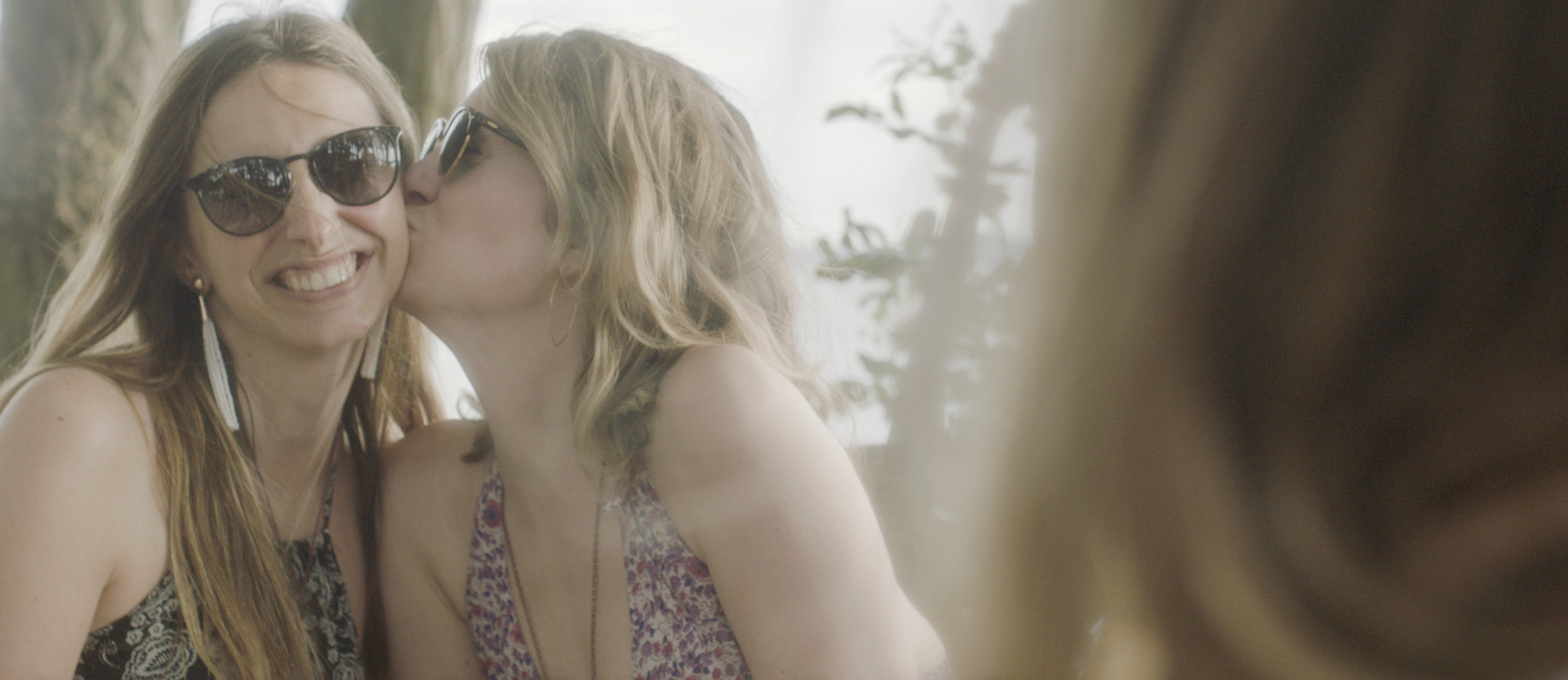
Leica- R: Cinemod EF 19 2.8 v2, 24 2.8, 35 1.4, 50 1.4, 80 1.4, 135 2.8
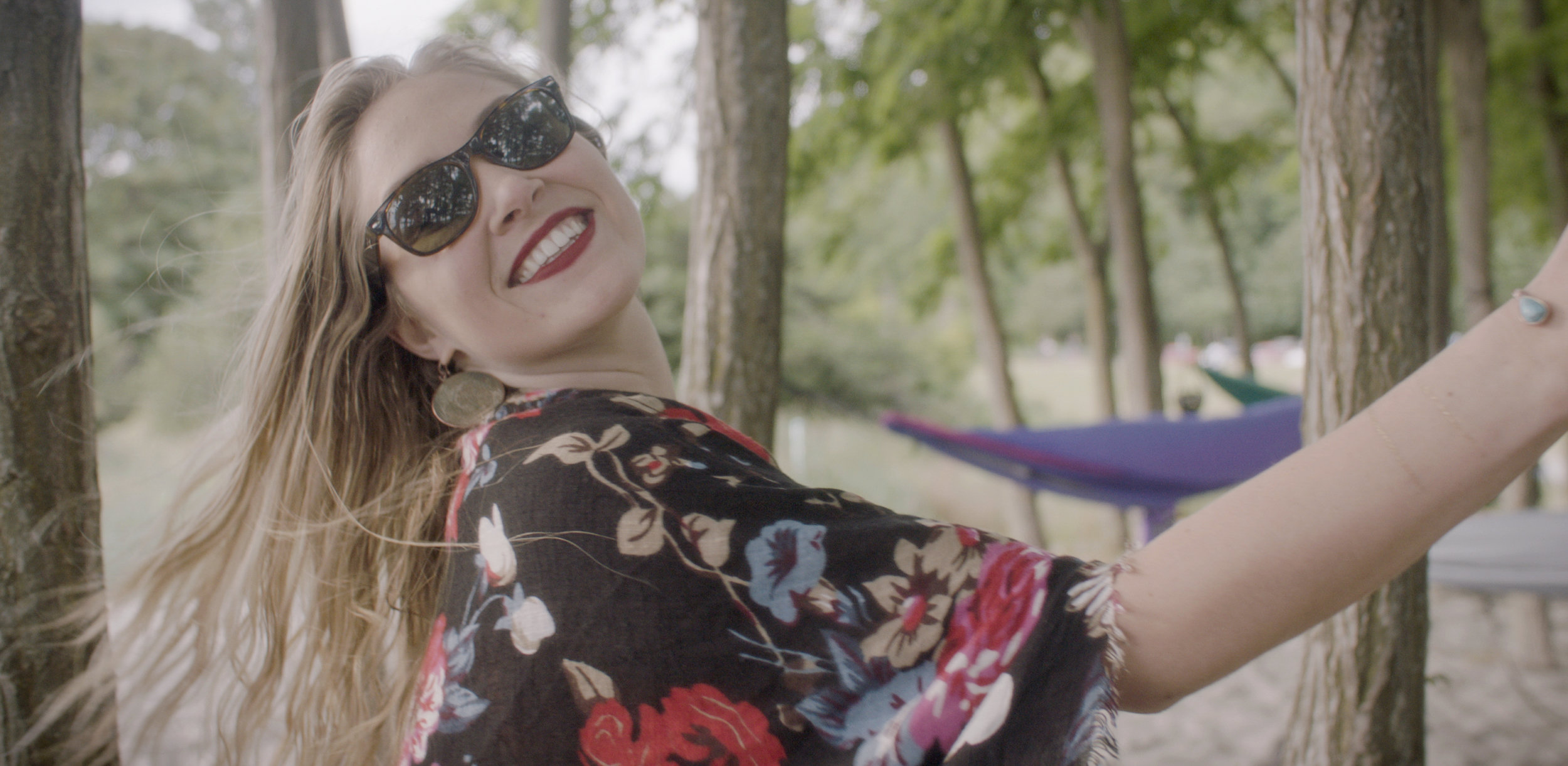
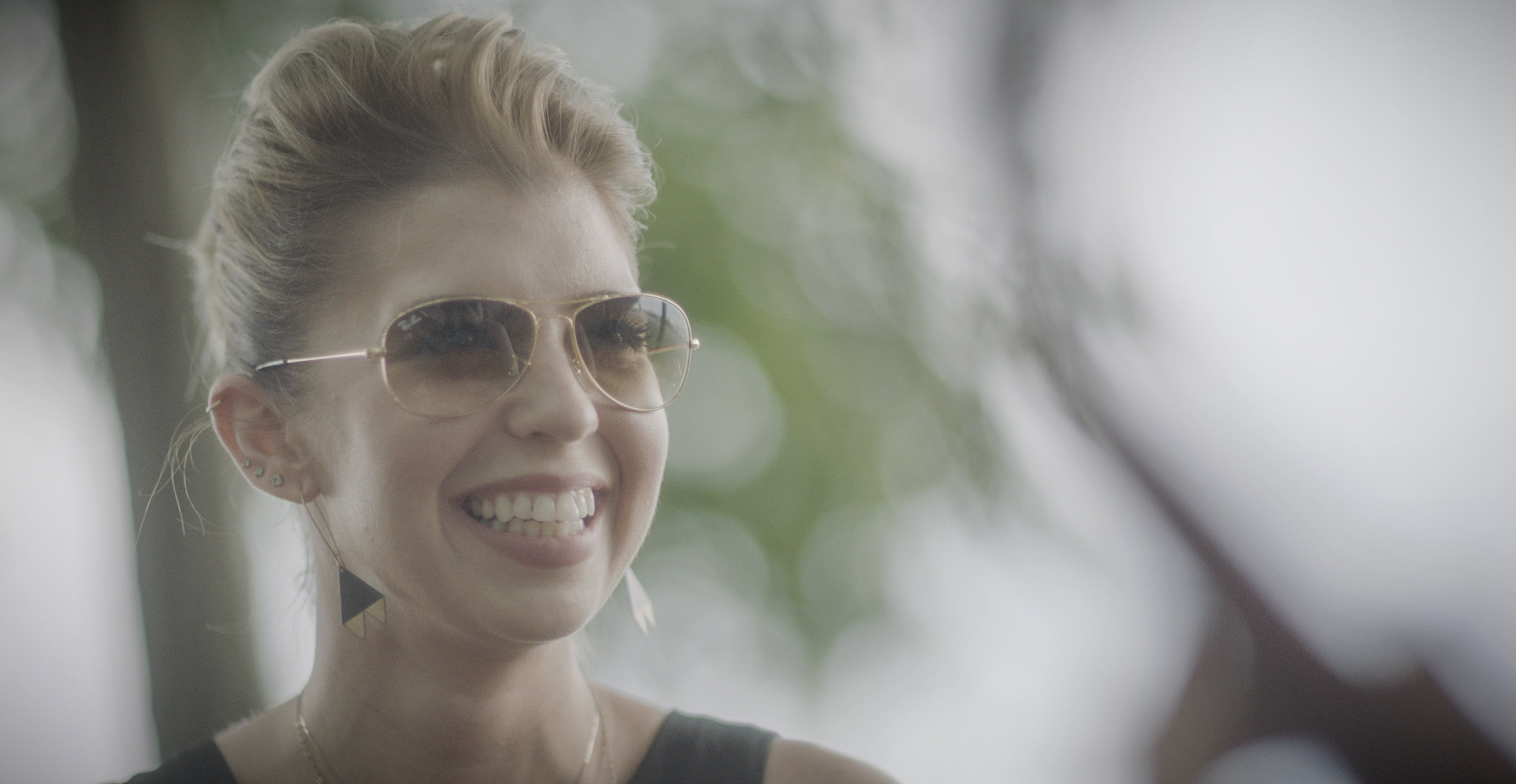
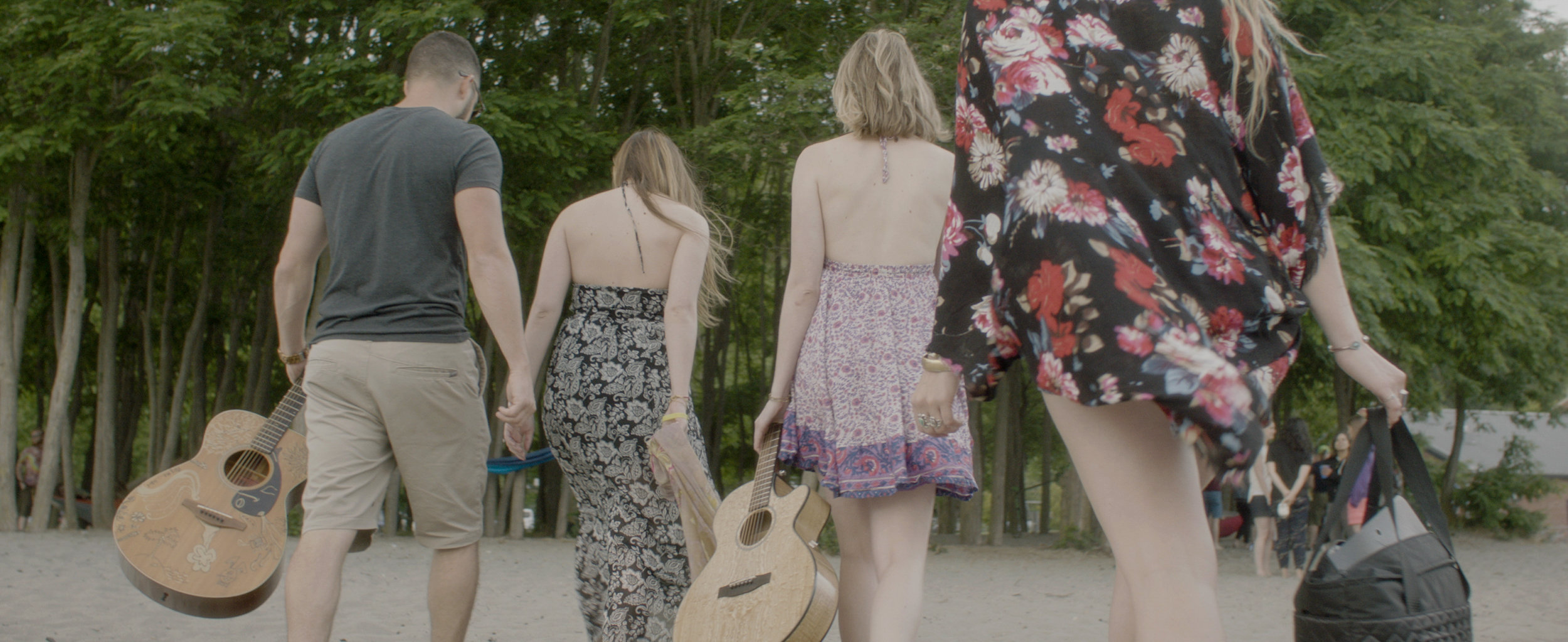
Its hard to beat the look of the Leica-R lenses. In my opinion, these lenses from the late 80's, which have been wonderfully cared for and converted by Duclos Lenses, have more character, energy and excitement than any of Leica's current high end cinema lenses. They provide exquisite rendition of skin tones and highlight handling. They are only as sharp as you'd ever want a lens to be. Wide open they look fantastic and stopped down they rival high end lenses in terms of sharpness. They are relatively low in contrast compared to their modern counterparts. They are all mechanically sound with 80mm fronts, but have relatively short focus throws due to being stills lenses. They are color matched very well and have flares that could rival some of the best in the world. These lenses provide a texture to footage that is just magical. Similar to the Celeres. They are light and tiny and don't show too many signs of CA unless you are under very very harsh conditions. The 19mm is a thing of splendor. I shot tons of shots in Paralytic on this lens with a grad ND for landscapes and the results were stunning. I would recommend for narrative, fashion, docs, period pieces and more
Pieces of the following trailer were shot on these. Most of the landscapes at the winery setting.
Zeiss: Mark I B-Speeds t1.3 18, 25, 35, 50, 85
The essence of vintage Zeiss lenses. The Mark I Superspeeds are quite unique. They are very fast lenses coming in at a t1.3 and performing very well wide open. They are all pl mount but with relatively short focus throws for being a cine lens. As with most vintage looking lenses, these are quite low contrast and have a color cast that comes in a tad bit on the cooler side compared to Canon and Leica. But even with the cooler tone, it produces very nice skin tones. The rare part of these lenses is that they have a rare 9 blade iris, which produces a very unique bokeh, both in how out of focus is rendered but when stopped down to t3 to t8 out of focus tiny highlights will be seen as triangle shapes. These lenses have an 80mm front diameter and are quite light given the punch they pack. The flares are quite nice coming in more purple, green and blue. These lenses though are slightly more inclined to see some CA under certain circumstances than other lenses. I would recommend these lenses for any music videos, fashion, narrative, period pieces or things of that nature where having a distinct look is part of your aesthetic choice.
The following movie was shot on Epic MX with Zeiss B-Speeds
Zeiss: Contax Cinemod EF 25 2.8, 35 1.4, 50 1.4, 85 1.4, 100 2.0, 100 2.8 macro, 180 2.8, 300 4.0
These lenses are the counterpart to the Mark ii Superspeeds that Zeiss made. They are mostly the same lenses as the B-Speeds in terms of look and performance with the real difference being that they are in a stills lens housing that has been cinemodded similarly to Duclos and they have slower wide lenses. I would recommend these to someone who is on a budget but wants a great vintage Zeiss look and isn't as concerned about mechanics. These were my go to lenses for years. The look is really really wonderful and they are so easy to operate and use. I've shot just about everything on this set and they do great in basically any situation you want to put them in!
Heres a short film that I shot on RED Dragon w/Contax Zeiss
DSO: Trumps 38 2.0, 58 2.0, 88 2.0
These lenses are definitely something special. Based on old Russian Helio lenses, the rehousings and work that have gone into creating these focal lengths is quite special. Richard Gale created these monsters out of a love for really really cool looking imagery. These lenses have so much unique character its ridiculous. They are fairly sharp wide open at t2.0 but seeing more sharpness as you stop down. Edge to edge isn't as great as other lenses, but honestly thats what makes these lenses have a defined look. They are very low contrast and the 38mm and 88mm have built in wide angle and telephoto adapters. Giving their field of view a uniqueness that you won't find in too many other places. They flare insanely cool, with bright orange and colorful tinges across the aperture marks. They are easy to pull focus on but with lack of focus marks, you just need to feel it. Its like driving a manual transmission. Instincts. They have great close focus ability and 95mm fronts. One thing about these lenses is the removable rear element that allows you to drop in aperture inserts. The most common being anamorphic looking ovals. So you can create a feaux anamorphic look in camera, that to be honest has fooled quite a few people. This set is great but the only thing its missing is a wide angle option which should be available soon. I would recommend these lenses on some narrative, music videos, dream sequences, period pieces, commercial work.
And FINALLY here is a lens test showing a few of the lens sets. It quite long and boring but gives a real feel for what these lenses can do in motion. Hopefully some of this information will be useful in making choices for your next project when it comes to lens aesthetics and what to look for when choosing your ideal glass. Happy shooting and all lens rental options can be found at www.nw-camera.com. Thanks for reading :)
New Cameras for 2016!!!
So many new cameras! ARRI, RED, CANON, BLACK MAGIC!!
Exciting times here at Northwest Camera Co. Lots of new cinema technology is coming out and NWCC is proud to offer mostly all off it. Newly acquired camera packages and ones that are arriving soon are as follows....
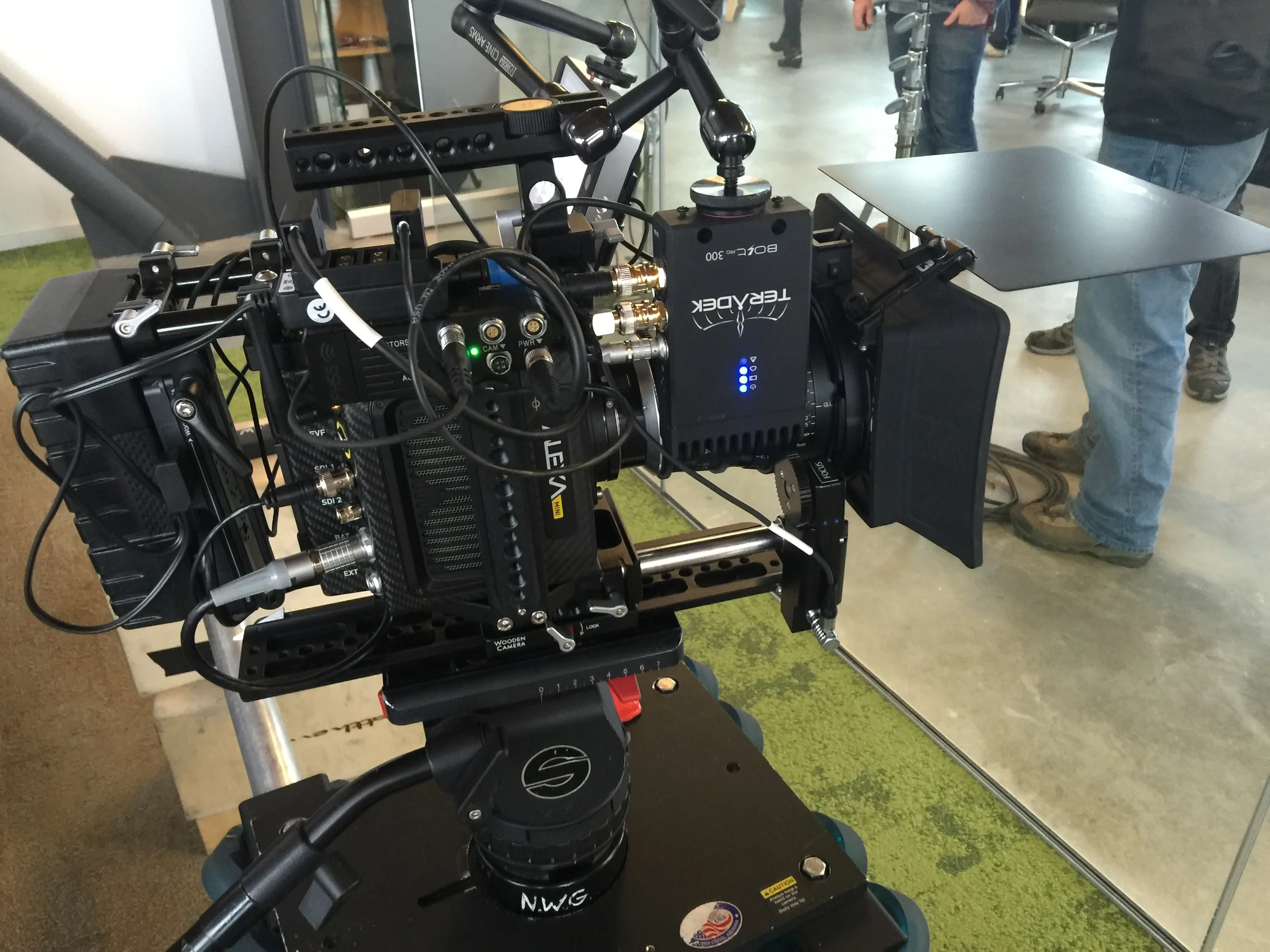
Arri Alexa Mini Cinema Package (now available in PL or EF)
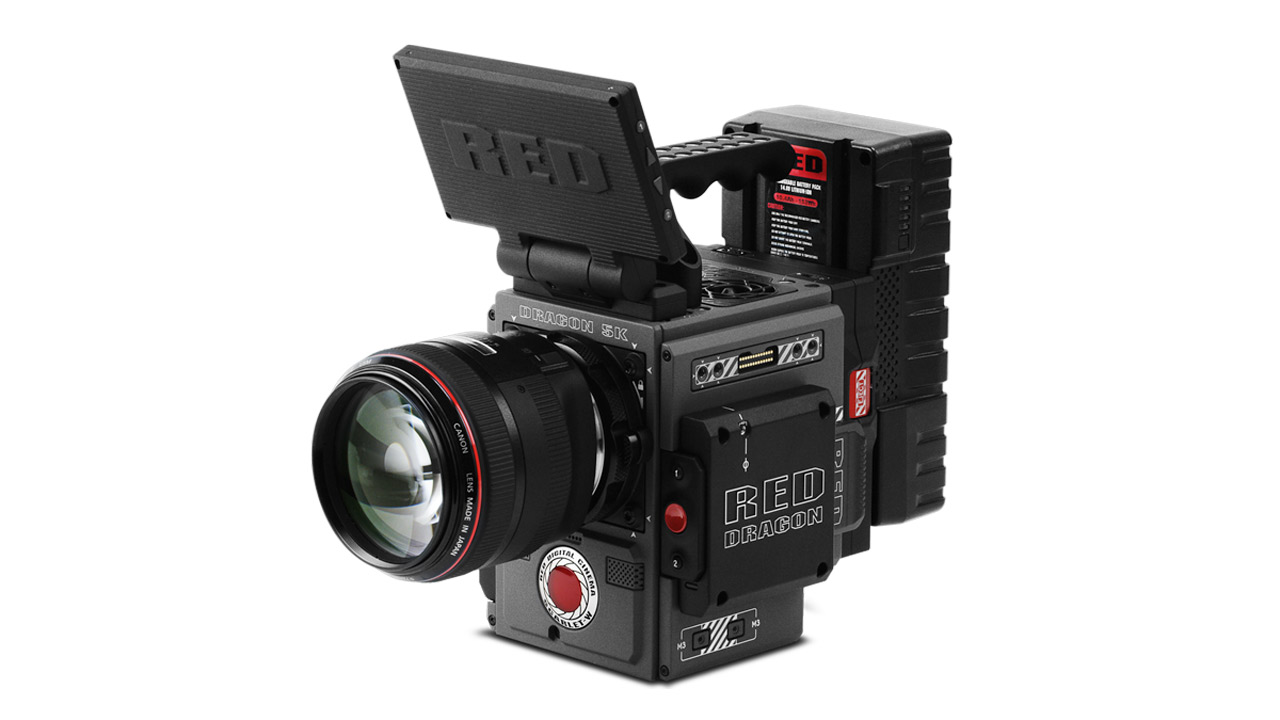
RED Scarlet W (Coming in March 2016 in PL or EF)
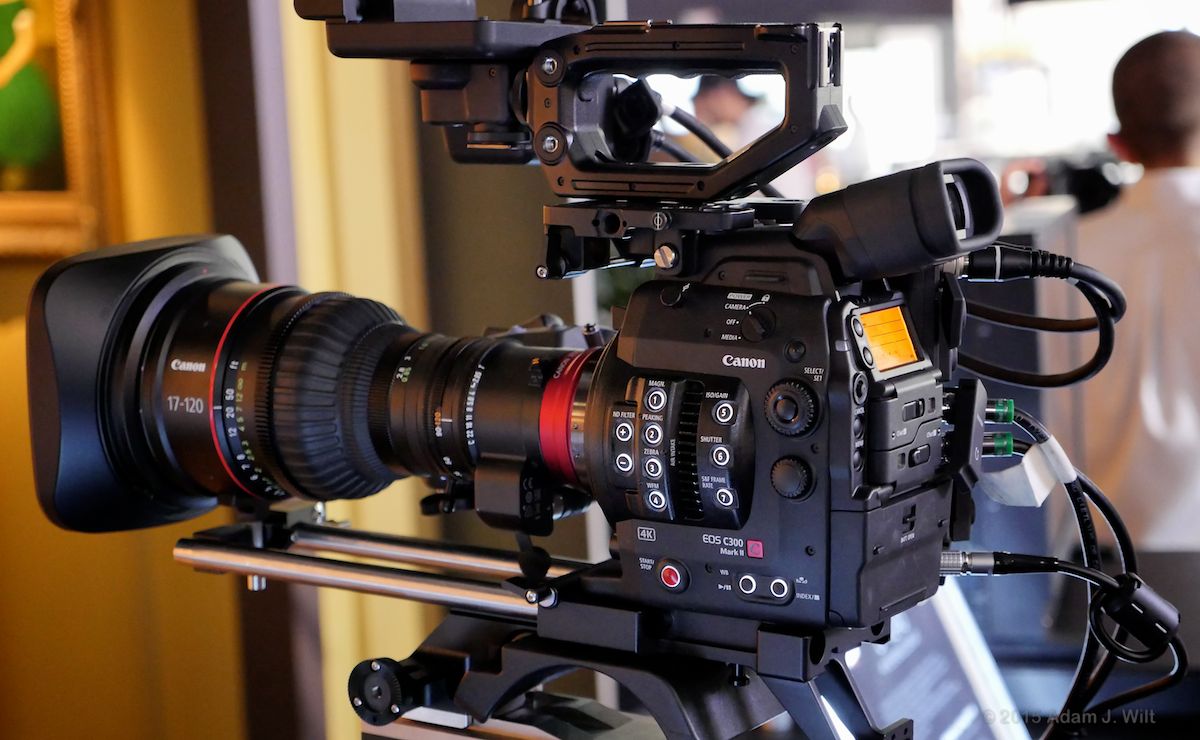
Canon C300 mark ii EF (coming january 2016)
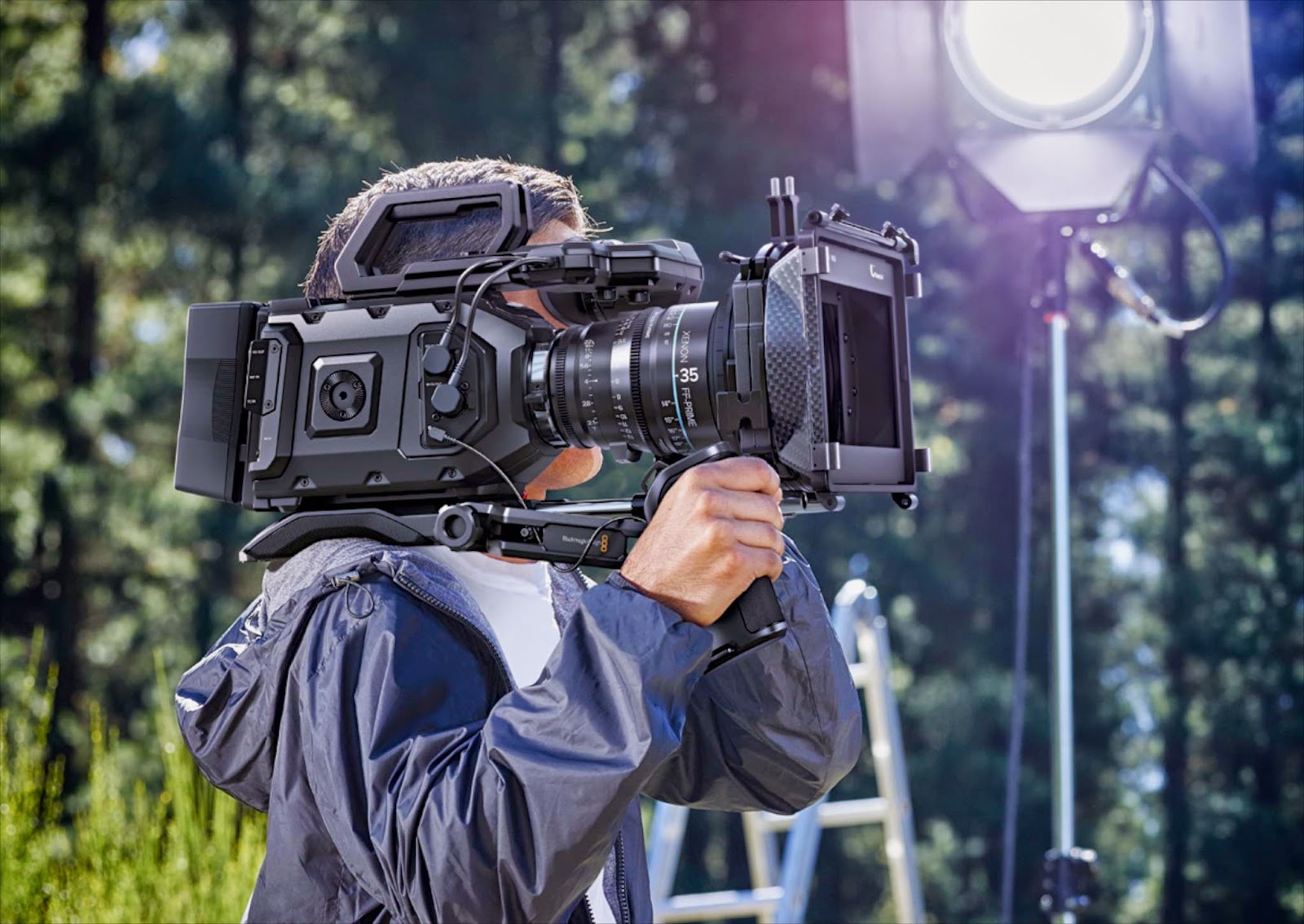
Black Magic Ursa Mini 4.6 EF (coming as soon as available)
This is on top of already providing industry leading cameras such as the RED Epic Dragon, RED Scarlet Dragon, RED Scarlet MX, Canon C300, Sony A7s mark ii and more.
It's crazy how fast technology is moving in the cinema world. High dynamic range, resolution, wireless controls, apps, interchangeable lens mounts and olpfs, high frame rates and more. These advancements definitely give the filmmaker many more creative choices and freedoms and its amazing that Northwest Camera Co gets to offer these options and not to mention, lenses, support, lighting, grip, and location audio gear to the Pacific Northwest.
Scope out our inventory HERE.......